Fire-Rated Door Solutions for Code Compliance
Navigating fire code requirements remains one of the most critical challenges for distributors serving commercial projects. Fire-rated doors must meet stringent UL certification standards while delivering the aesthetic quality architects demand for visible openings. A reliable door manufacturer understands that 20 minute fire rated door assemblies require precise construction methods, tested hardware configurations, and documented assembly sequences that maintain listing integrity throughout installation.
Commercial wood door manufacturers who specialize in fire rated doors typically maintain relationships with testing laboratories and keep current with International Building Code updates. This expertise proves invaluable when distributors face tight project timelines or need technical support for plan reviews. The manufacturing process for fire-rated assemblies differs significantly from standard door production, requiring dedicated facilities, trained personnel, and quality control protocols that verify every component meets listing requirements.
Distributors benefit most from partnerships with manufacturers who provide complete fire door documentation packages, including labels, installation instructions, and hardware templates that streamline field coordination. When specifying fire rated doors for healthcare corridors, hospitality stair towers, or educational facilities, the manufacturing partner’s ability to deliver consistent lead times and maintain inventory of core materials directly impacts project schedules and distributor profitability.
Custom Door Manufacturing Flexibility
Standard catalog specifications solve many project requirements, but commercial architecture frequently demands custom doors that address unique dimensional constraints, aesthetic visions, or performance criteria. A custom door manufacturer with in-house engineering capabilities can translate architect drawings into buildable products while maintaining structural integrity and meeting relevant performance standards. This flexibility separates manufacturers who simply produce doors from partners who solve complex project challenges.
The custom manufacturing process begins with accurate interpretation of architectural specifications, including unusual sizes, specialized veneers, intricate machining details, or integration of vision lites and louvers. Distributors serving high-end commercial markets particularly value manufacturers who maintain extensive veneer libraries, understand stain matching protocols, and can execute consistent finishing across large door packages. The ability to produce matching transoms, sidelites, and borrowed lites from the same manufacturing run ensures visual continuity throughout a project.
Lead time management for custom doors requires transparent communication between manufacturer and distributor. Projects often involve multiple phases with staggered delivery requirements, and manufacturers who implement robust production scheduling systems help distributors coordinate with general contractors and manage warehouse logistics. Custom door capabilities extend beyond aesthetics to include specialized performance requirements such as lead-lined doors for medical imaging facilities, acoustic assemblies for recording studios, or impact-resistant constructions for correctional applications. Manufacturers who invest in diverse capabilities create competitive advantages for their distributor partners.
Plastic Laminate Doors for High-Traffic Areas
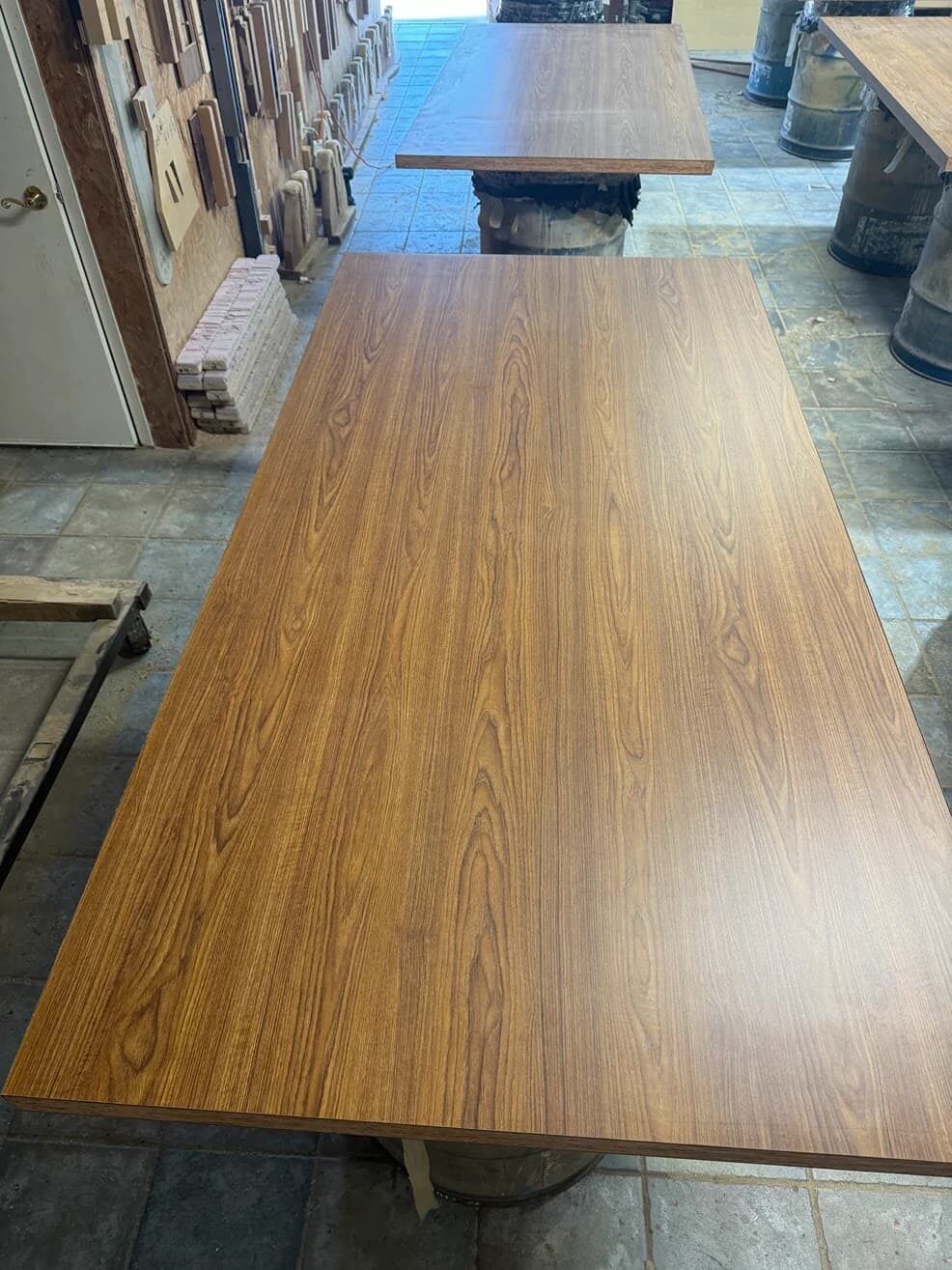
High-traffic commercial environments in educational facilities, healthcare institutions, and hospitality properties demand surface durability that traditional paint or stain finishes cannot provide. Plastic laminate doors deliver exceptional resistance to impacts, scratches, staining, and the aggressive cleaning protocols required in institutional settings. Plastic laminate door manufacturers who understand proper core construction and adhesive systems produce doors that maintain dimensional stability while withstanding years of intensive use.
The performance of laminated plastic doors depends heavily on manufacturing quality. Proper substrate preparation, balanced construction to prevent warping, and edge banding techniques that prevent delamination separate quality manufacturers from those simply applying laminate to door blanks. Distributors serving institutional markets particularly value manufacturers who stock popular laminate patterns, understand color coordination across door packages, and can match existing installations for renovation projects. The ability to provide fire rated doors with plastic laminate surfaces combines aesthetic durability with code compliance for corridor applications.
Commercial wood door manufacturers offering plastic laminate options should maintain relationships with major laminate suppliers and understand the visual differences between vertical and horizontal grade materials. Some applications benefit from through-color phenolic panels rather than traditional high-pressure laminates, particularly in exterior-adjacent locations or areas with extreme humidity fluctuations. Manufacturers who guide distributors through material selection based on specific use cases build long-term partnerships grounded in successful project outcomes rather than transactional relationships.
Hardware Preparation and Coordination
Proper hardware preparation represents a critical value-added service that door manufacturers provide to distributors and frames suppliers. Commercial wood doors arrive on job sites with precise mortises, bore holes, and reinforcements that accommodate specified locksets, closers, hinges, and auxiliary hardware. Accuracy in this machining work directly impacts installation efficiency and field labor costs, making manufacturing precision a key differentiator for distributors evaluating supplier partnerships.
A door manufacturer with sophisticated machining capabilities maintains current hardware templates from major manufacturers and understands the specific reinforcement requirements for heavy-duty closers, electrified locks, and access control devices. The coordination between distributor, hardware supplier, and door manufacturer requires clear communication protocols and verified shop drawings that identify every preparation before production begins. Mistakes in hardware machining create expensive field modifications and project delays that damage distributor reputations with general contractors.
The complexity of hardware coordination increases significantly on projects involving fire rated doors, where every preparation must maintain the integrity of the fire rating and align with tested configurations. Manufacturers who provide detailed hardware schedules, understand ADA clearance requirements, and can accommodate late-stage hardware substitutions deliver tangible value to distributors managing fast-paced commercial construction schedules. The ability to provide doors with factory-applied finishes and complete hardware preps creates installation-ready products that reduce job site coordination and compress project timelines. This level of service transforms door supply from a commodity transaction into a strategic partnership that benefits every stakeholder in the construction process.
Finishing Services and Quality Control
Factory finishing services represent one of the most valuable capabilities commercial wood door manufacturers can offer distributor partners. Field-applied finishes introduce variables in quality, consistency, and project scheduling that factory-controlled processes eliminate. A door manufacturer with dedicated finishing facilities staffs trained personnel who understand wood characteristics, stain penetration behavior, and the spray techniques required to achieve uniform appearance across large door packages. The difference between factory finishing and field finishing becomes immediately apparent when doors arrive on site with consistent color, proper sealing, and durable topcoat systems.
Quality finishing begins with proper surface preparation, including sanding sequences that create uniform porosity across veneer faces and stile-and-rail junctions. Manufacturers who invest in spray booth technology, controlled drying environments, and multi-coat finishing systems produce doors that meet architectural specifications for sheen level, color matching, and long-term durability. The ability to provide matching finish samples before production begins allows architects and owners to approve appearance before significant manufacturing investment occurs, reducing the risk of rejection and re-work.
The finishing process for custom doors often involves specialized techniques such as glazing, distressing, or multi-tone applications that require artistic skill beyond standard production finishing. Manufacturers who maintain relationships with specialty finishing suppliers and invest in ongoing training for finishing personnel position their distributor partners to compete for high-end projects with demanding aesthetic requirements. Quality control protocols that include final inspection of every door before shipment, protective packaging that prevents damage during transit, and clear identification labeling that simplifies job site distribution demonstrate the manufacturing professionalism that separates industry leaders from basic suppliers. These finishing capabilities and quality systems create measurable value for distributors serving markets where appearance and long-term performance determine project success and client satisfaction.